One fire, many faiths
Faiths
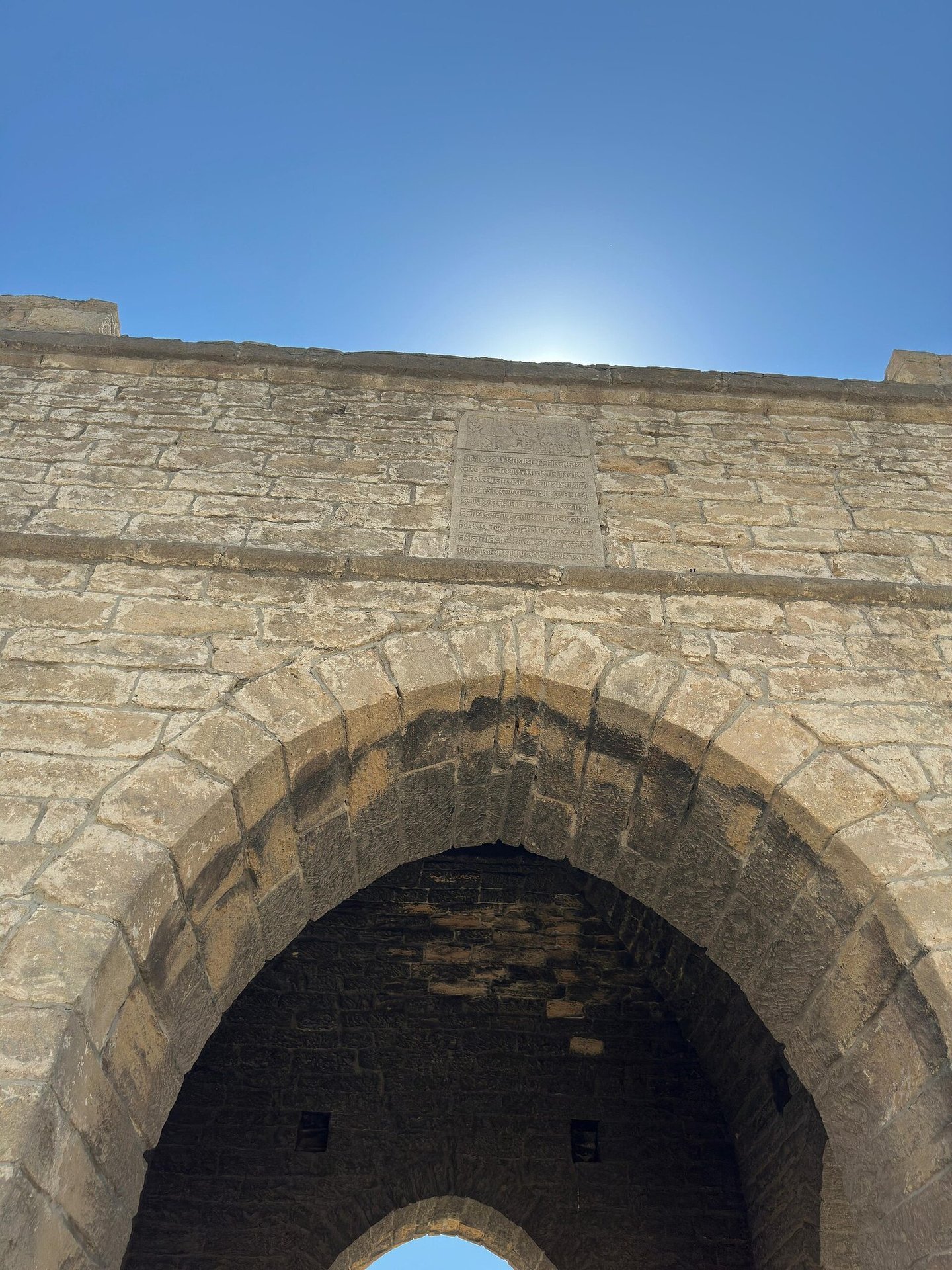
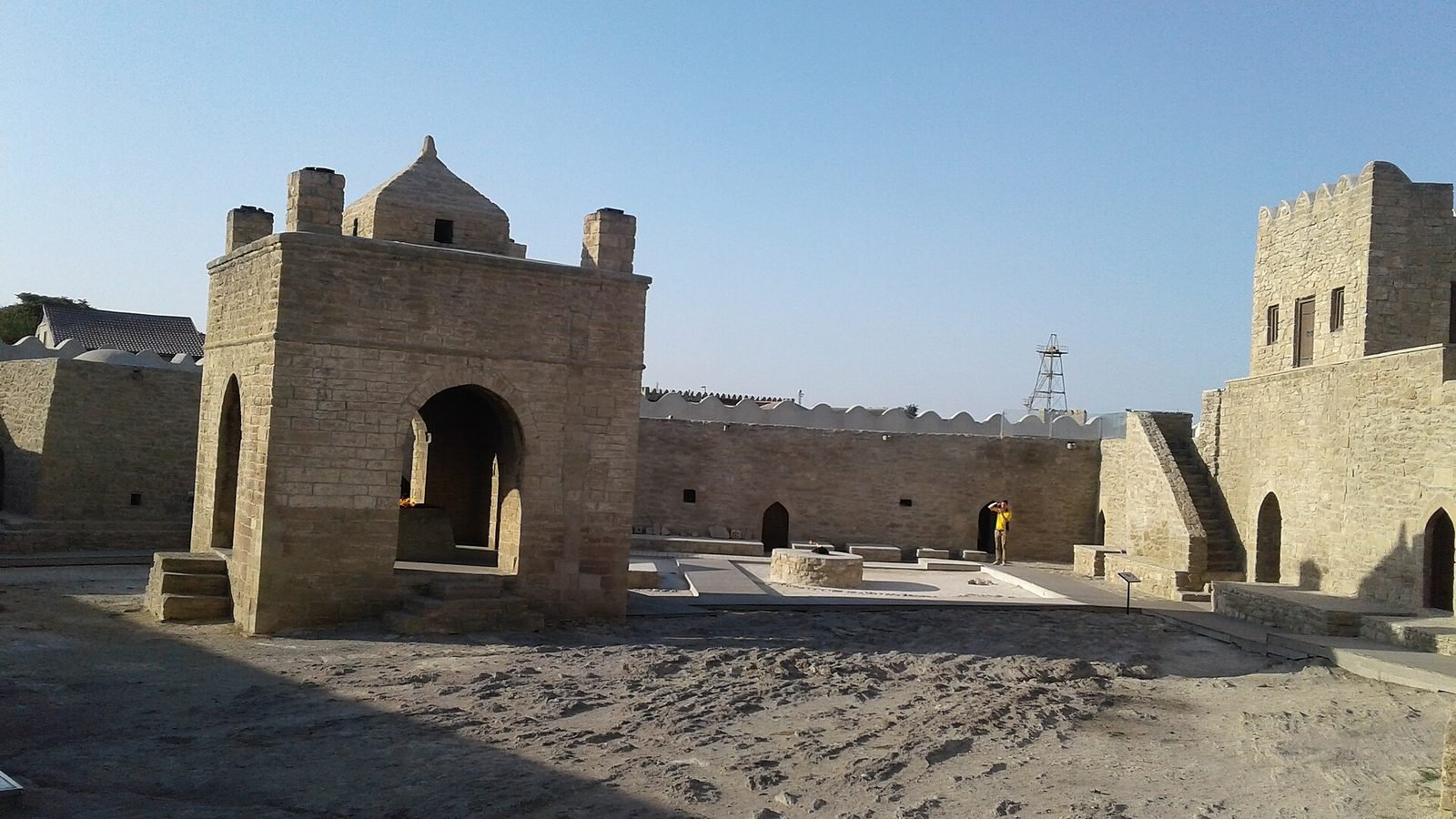
A place rare in the world: people of different religions prayed at one and the same flame. Ateshgah is a syncretic shrine that joined Hinduism, Zoroastrianism and Sikhism.
One fire, many faiths
A place rare in the world: people of different religions prayed at one and the same flame. Ateshgah is a syncretic shrine that joined Hinduism, Zoroastrianism and Sikhism.
Fire as a holy thing united the unlike. For Zoroastrians it was a pure symbol of the divine, for Hindus a manifestation of the goddess Jvala Ji, for Sikhs part of their path. And all of them prayed here side by side.
Faiths
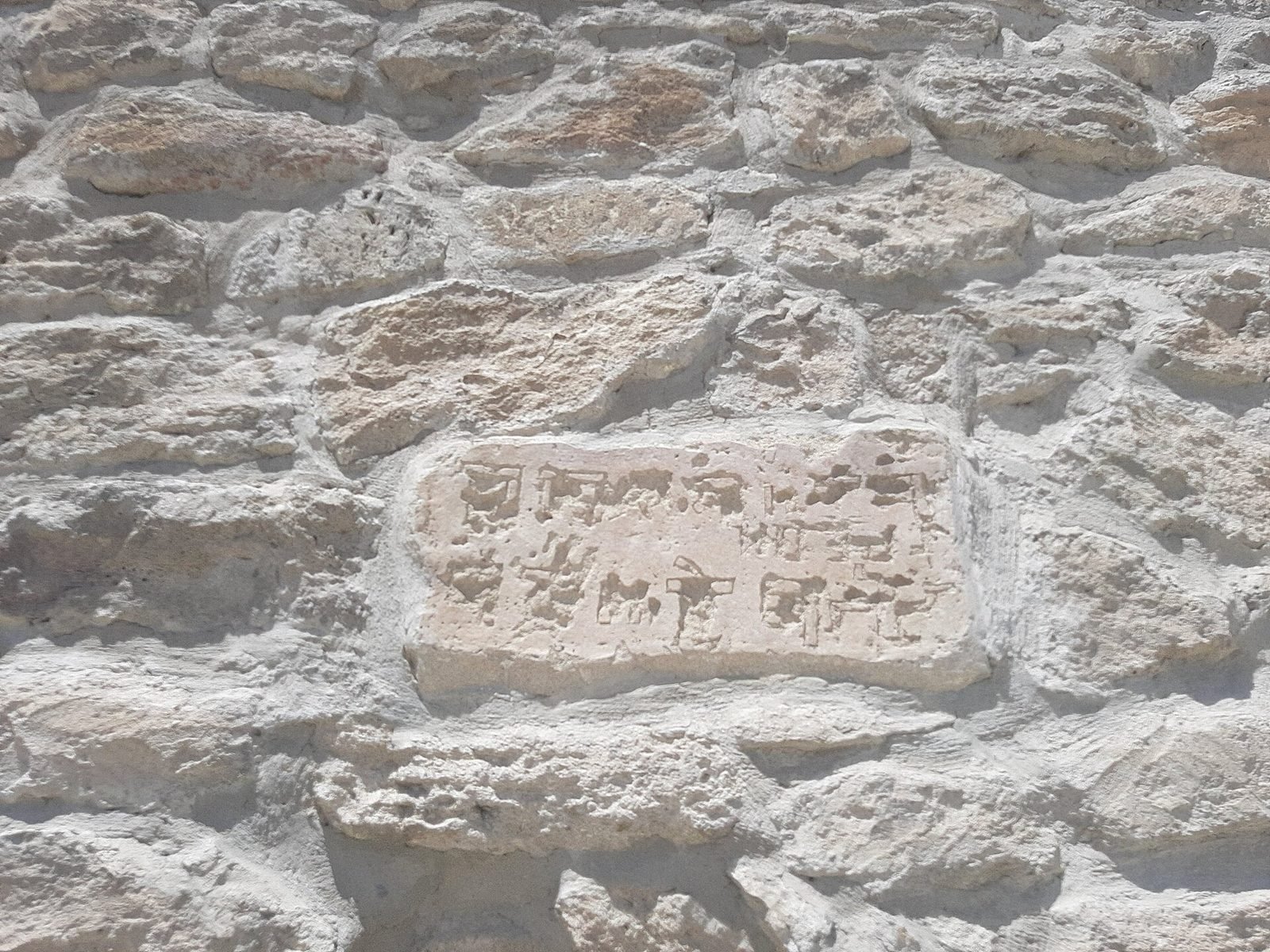
On the temple walls 17 inscriptions survive: fourteen Hindu, two Sikh and one Persian. They are in Sanskrit and Punjabi, with only one in Persian.
In the Hindu inscriptions the fire goddess Jvala Ji is mentioned more than a dozen times. These lines are the living voice of pilgrims who came here from distant India.
Who prayed at the fire
Merchants and pilgrims from India; most of the inscriptions are Hindu.
Parsis and Guebres, for whom fire is a pure symbol of the divine.
Their presence is confirmed by two inscriptions in Punjabi.
The fire goddess named in the inscriptions more than ten times.
Faiths
Ateshgah reminds us that the sanctity of fire is older and wider than any single religion. Here faith did not divide but gathered people around a common flame.
This openness is what made the temple a unique monument: it belongs to several traditions at once — and to all of humanity.
The attribution of individual inscriptions and details of the cult are still studied; interpretations may vary.