What it is now
Today
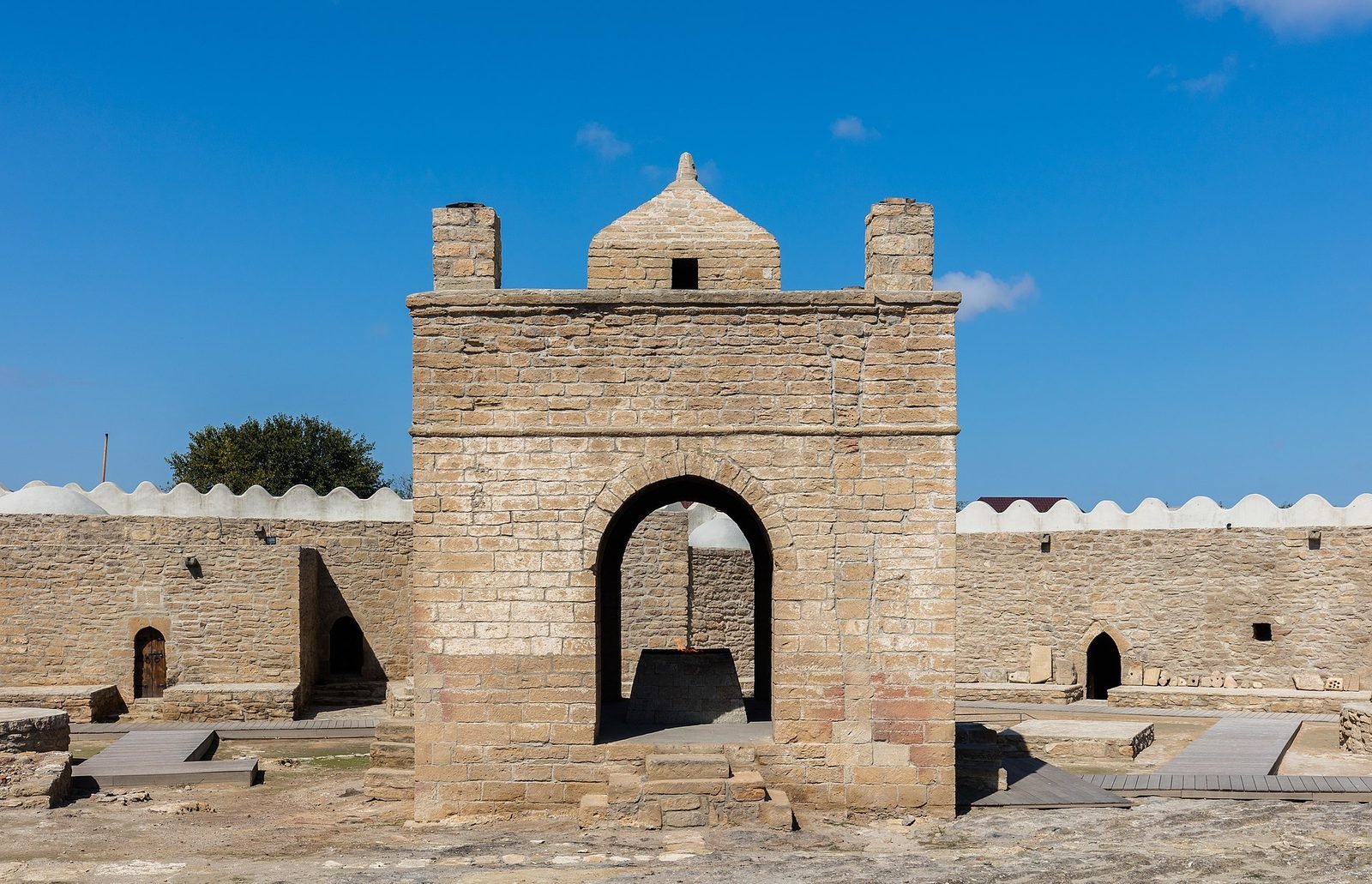
Today Ateshgah is an open-air museum: a restored temple, cells with exhibitions and a quiet courtyard to which visitors come from all over the world.
What it is now
Today Ateshgah is an open-air museum: a restored temple, cells with exhibitions and a quiet courtyard to which visitors come from all over the world.
From a living shrine, Ateshgah has become a keeper of memory. Here it tells of the pilgrims, of fire worship, and of what this land meant to a whole trading world.
Today
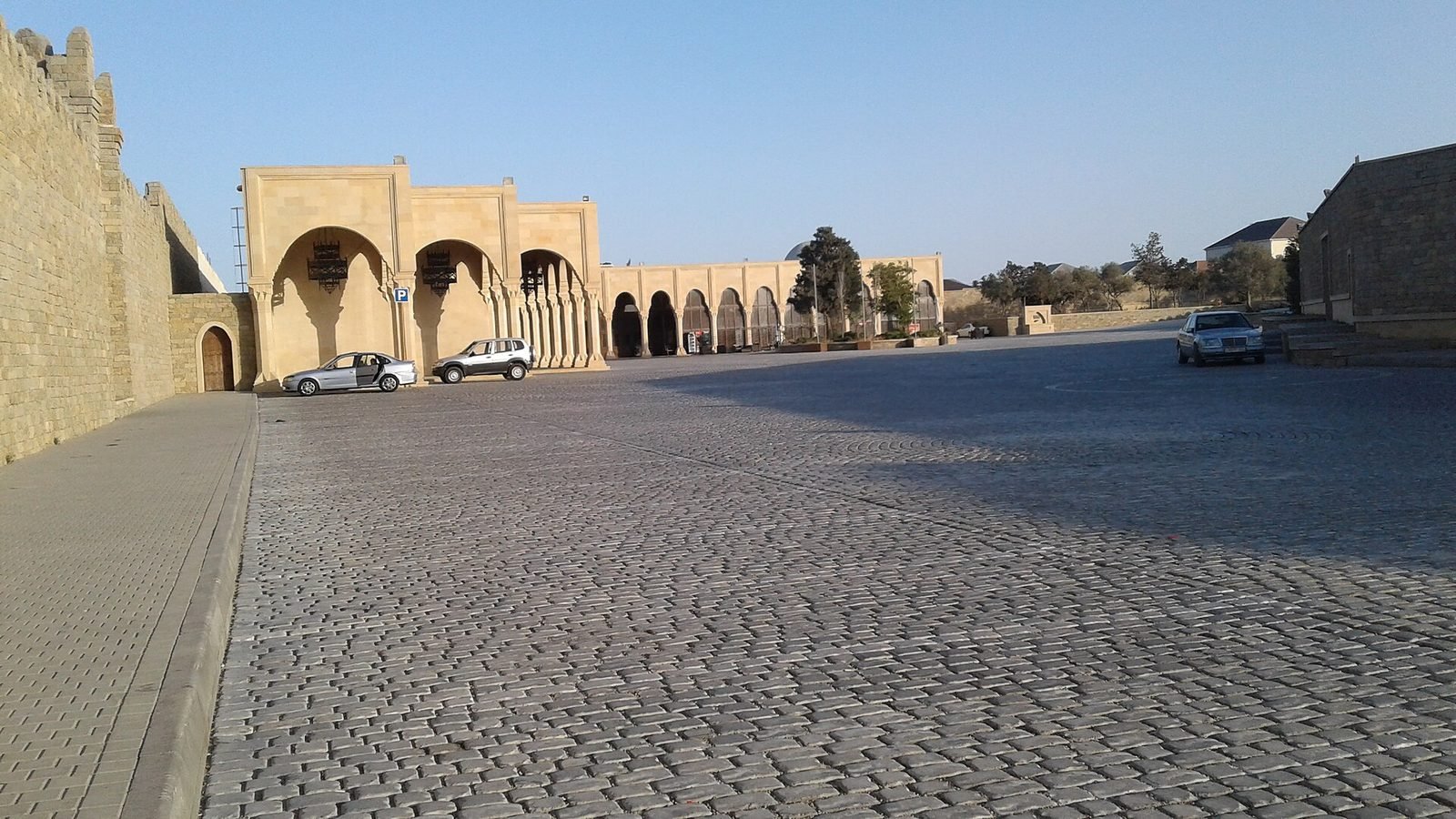
In 1975 the complex was turned into a museum. The cells where pilgrims once lived now hold exhibitions — scenes of daily life, utensils and the story of the temple.
In 2007 Ateshgah was granted the status of a state historical-architectural reserve, and since 1998 it has been on UNESCO's tentative World Heritage List.
Today
Restoration returned the temple to a look close to the historical one, and today it remains one of Absheron's most unusual monuments — a place where East and West, antiquity and the present, meet.
For Azerbaijan, Ateshgah is both cultural heritage and part of the image of the "Land of Fire" in which the whole country takes pride.
Status and protection
The complex is open as a museum with exhibitions in the cells.
A state historical-architectural reserve.
On the tentative World Heritage List since 1998.
The temple was returned to a look close to the historical one.
Statuses and dates are given from open sources and may be refined.